About CAN-TARGET
Overview
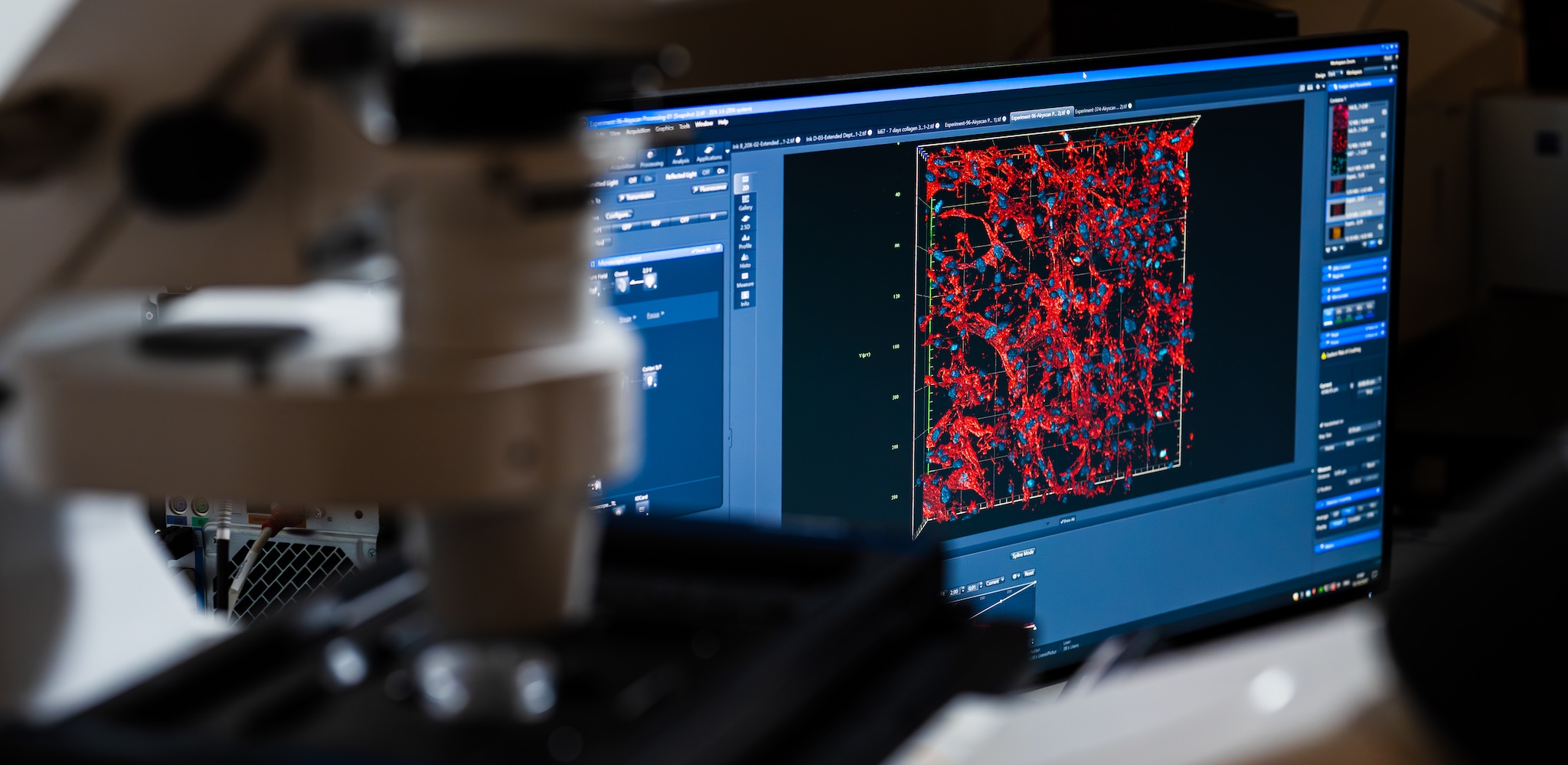
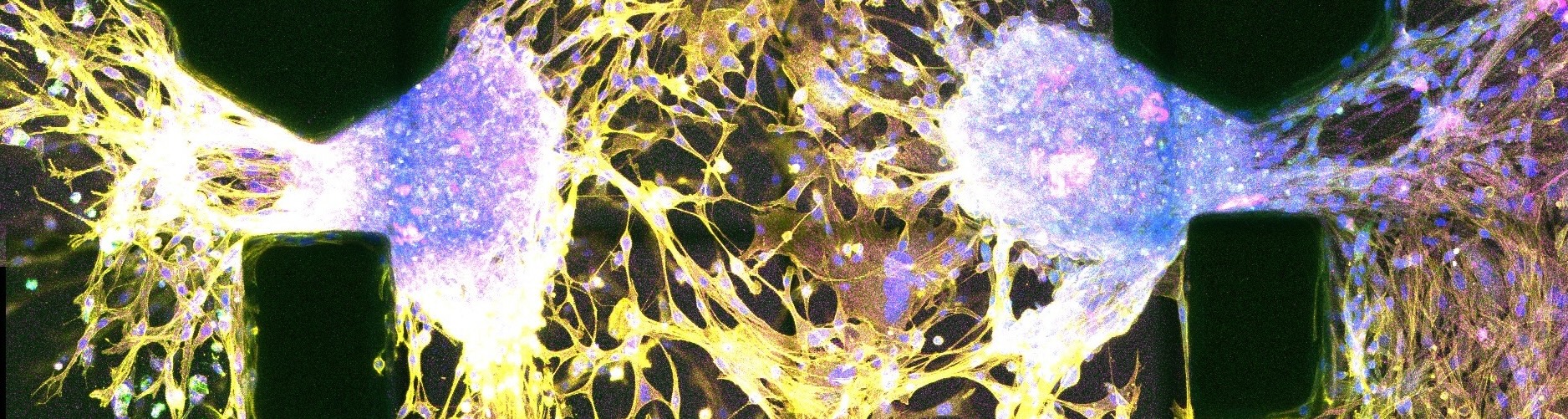
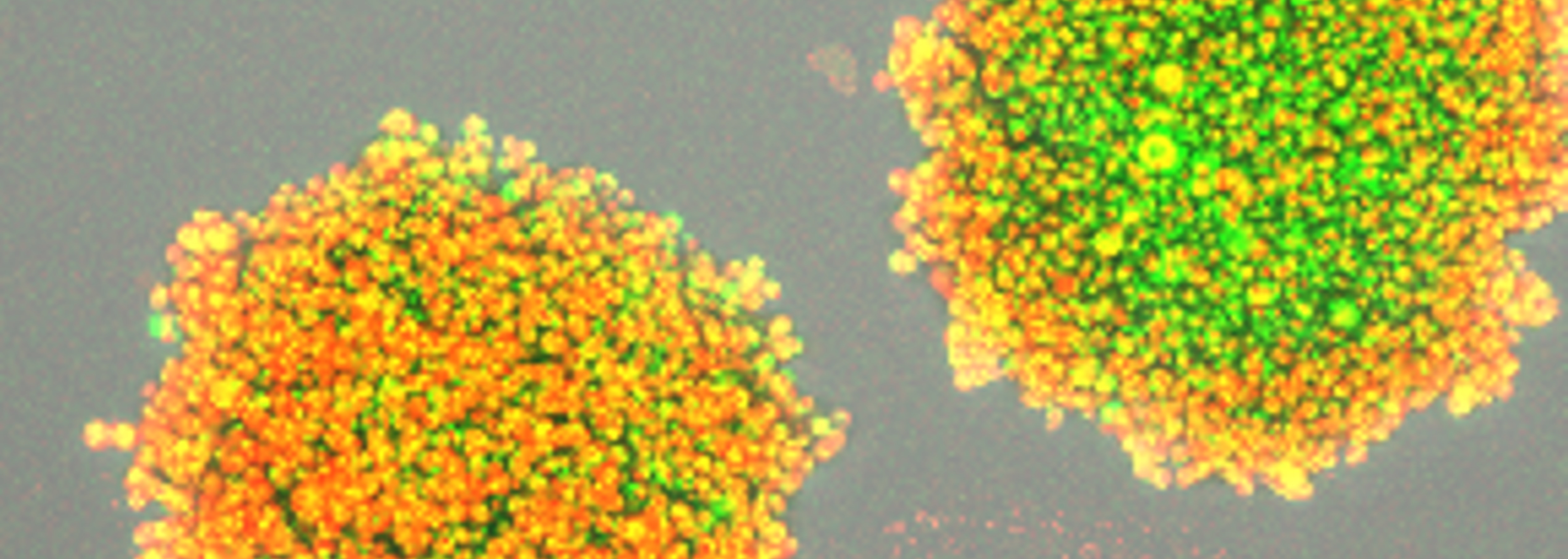
Cancer progression and therapeutic resistance are strongly shaped by the tumor microenvironment, a dynamic ecosystem composed of cancer cells, stromal cells, immune components, extracellular matrix, vascular structures and biochemical gradients. Conventional two-dimensional cultures and many animal models do not fully reproduce this complexity, limiting their capacity to predict human disease progression and response to therapy.
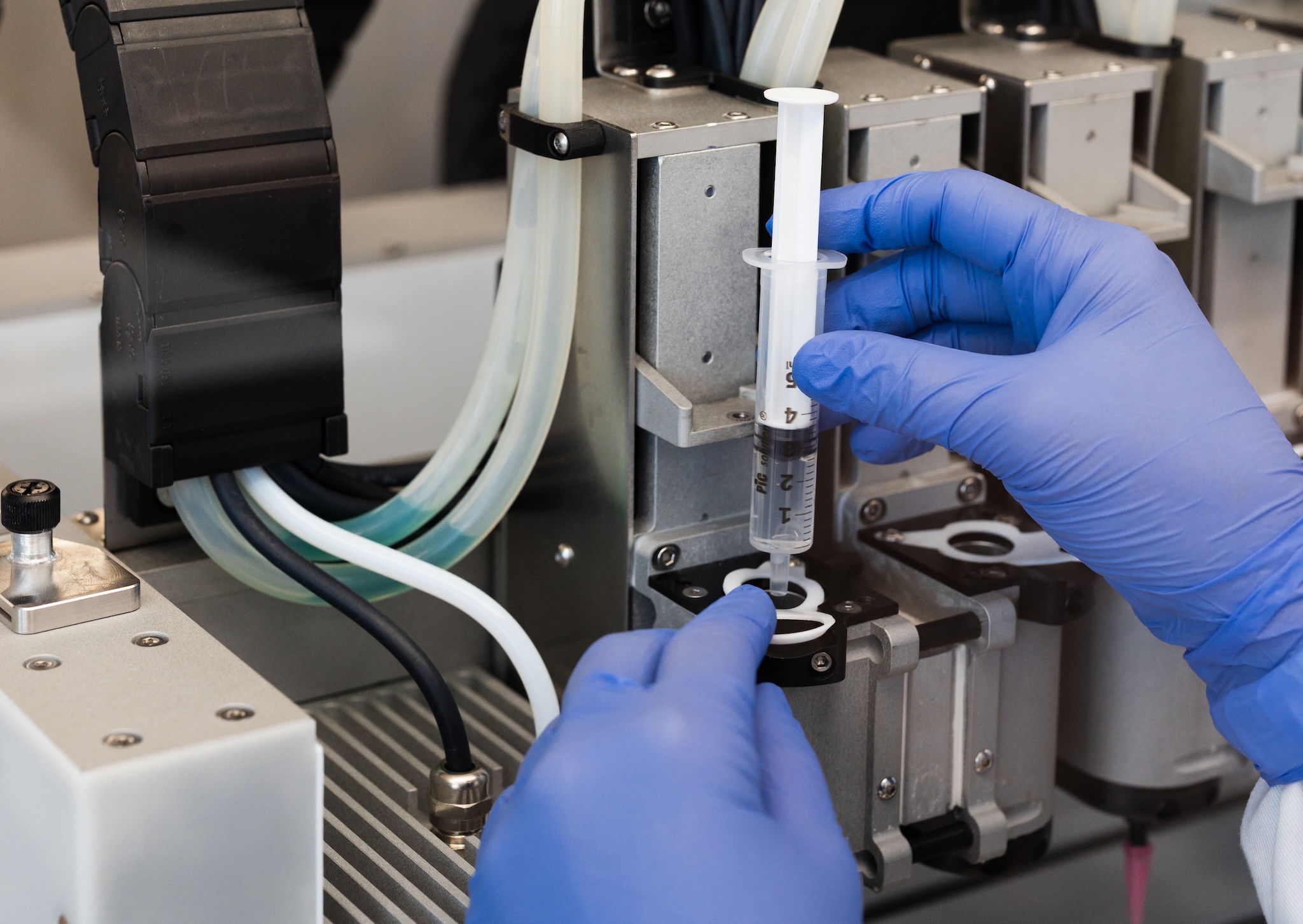
CAN-TARGET addresses this challenge by integrating bioengineering, biomaterials science, microfluidics, 3D in vitro modelling, microbiome research, omics technologies and therapeutic screening. The project will develop physiologically relevant tumor models that incorporate key features of the native tumor microenvironment, including mechanical cues, vascularization, dynamic culture conditions and microbiome-driven interactions.
By combining advanced microfluidic-based assembloid models with high-throughput screening and multi-omics analyses, CAN-TARGET will support the identification of new biomarkers and actionable therapeutic targets. The project aims to generate knowledge, platforms and methodologies with translational potential for cancer research, precision oncology and personalized therapeutic strategies.
Expected Impact
CAN-TARGET will contribute to the development of more predictive and physiologically relevant cancer models, supporting the transition from simplified preclinical systems towards integrative platforms that better reflect human tumor biology.
The project is expected to strengthen biomarker discovery, improve the evaluation of therapeutic responses and support precision oncology strategies. By integrating microfluidics, 3D models, microbiome interactions, vascularization, multi-omics and therapeutic screening, CAN-TARGET will generate knowledge and tools with broad relevance for cancer research and biomedical innovation.
The project will also contribute to regional, national and European research capacity by reinforcing collaboration between 3B’s/I3Bs and ICVS, supporting scientific dissemination, training, Open Science, stakeholder engagement and future exploitation of research outputs.
Impact highlights
- More robust and reproducible 3D in vitro cancer models
- Improved understanding of tumor microenvironment complexity
- Integration of microbiome, vascularization and tumor biology
- Novel biomarkers and therapeutic targets
- Improved anticancer drug screening platforms
- Support for personalized and precision medicine
- Potential reduction and refinement of animal testing
- Stronger regional and international cancer research networks
Concept
CAN-TARGET aims to decode the complexity of the multi-cellular tumor microenvironment to identify novel biomarkers of cancer onset, progression and therapeutic response, ultimately supporting the development of more effective targeted therapies.
Specific objectives
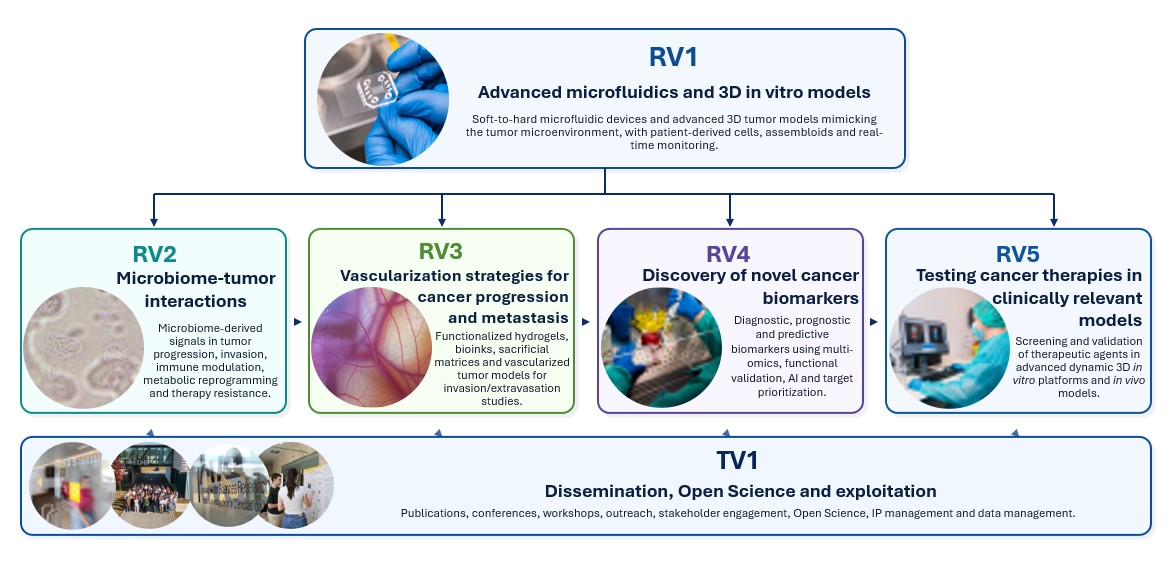
- Develop advanced microfluidic and 3D in vitro models that better reproduce the biochemical, structural and dynamic features of the tumor microenvironment.
- Investigate microbiome-tumor interactions in colorectal, ovarian and brain cancer contexts, including their impact on immune and metabolic reprogramming.
- Engineer vascularization strategies to model cancer progression, invasion, extravasation and metastasis in more physiologically relevant settings.
- Discover novel diagnostic, prognostic and predictive cancer biomarkers using multi-omics, screening and computational approaches.
- Screen and validate promising cancer therapies using clinically relevant in vitro dynamic models and refined in vivo validation strategies.
- Maximize dissemination, exploitation, Open Science, FAIR data principles and societal impact.
Research Vectors
News
Events
- Workshop CAN-TARGET: 21-22 September 2026
3B's Research Group,
I3Bs - Research Institute on Biomaterials, Biodegradables and Biomimetics of University of Minho,
Avepark - Parque de Ciência e Tecnologia
Rua Ave 1, Edifício 1 (Sede)
4805-694 Barco GMR - Portugal
View Program
- Final Conference (to be defined)





CAN-TARGET is co-funded by the European Union through the Programa Regional NORTE 2030.
CAN-TARGET - Decoding the Complexity of Cancer: Integrative Strategies to Model In vitro and Target the Multi-Cellular Tumor Micro-Environment, ref. NORTE2030-FEDER-02705300 , funded by the CCDR-N – Northern Regional Development Coordination Committee, under the Norte 2030 Support System for the Creation of Scientific and Technological Knowledge - Integrated SR&TD Projects.
Copyright © 2026 CAN-TARGET Project || 3B's Research Group in Biomaterials, Biodegradables and Biomimetics